
About Us
THE ORGANISATIONMarine Care Ricketts Point
We are a volunteer-run, not-for-profit group whose focus is on protecting and fostering species diversity and conservation in Melbourne’s Ricketts Point Marine Sanctuary.
Our aims
Regenerate the once-abundant plant and animal life of the sanctuary
Protect and preserve the natural environment of the sanctuary, its features and its indigenous flora and fauna
Educating and informing the community about the role and values of the sanctuary
Encourage community involvement and enjoyment of the sanctuary in accordance with the above aims
Sharing the advancement of knowledge of marine life and its environment.
Through advocacy, coordinated campaigning, collaboration with government and non-government agencies, Marine Care Ricketts Point aims to:
What we have achieved so far
24 campaigns
in collaboration with government and non-government organisations, passing local environmental legislation and providing environmental consulting.
1200+ hours
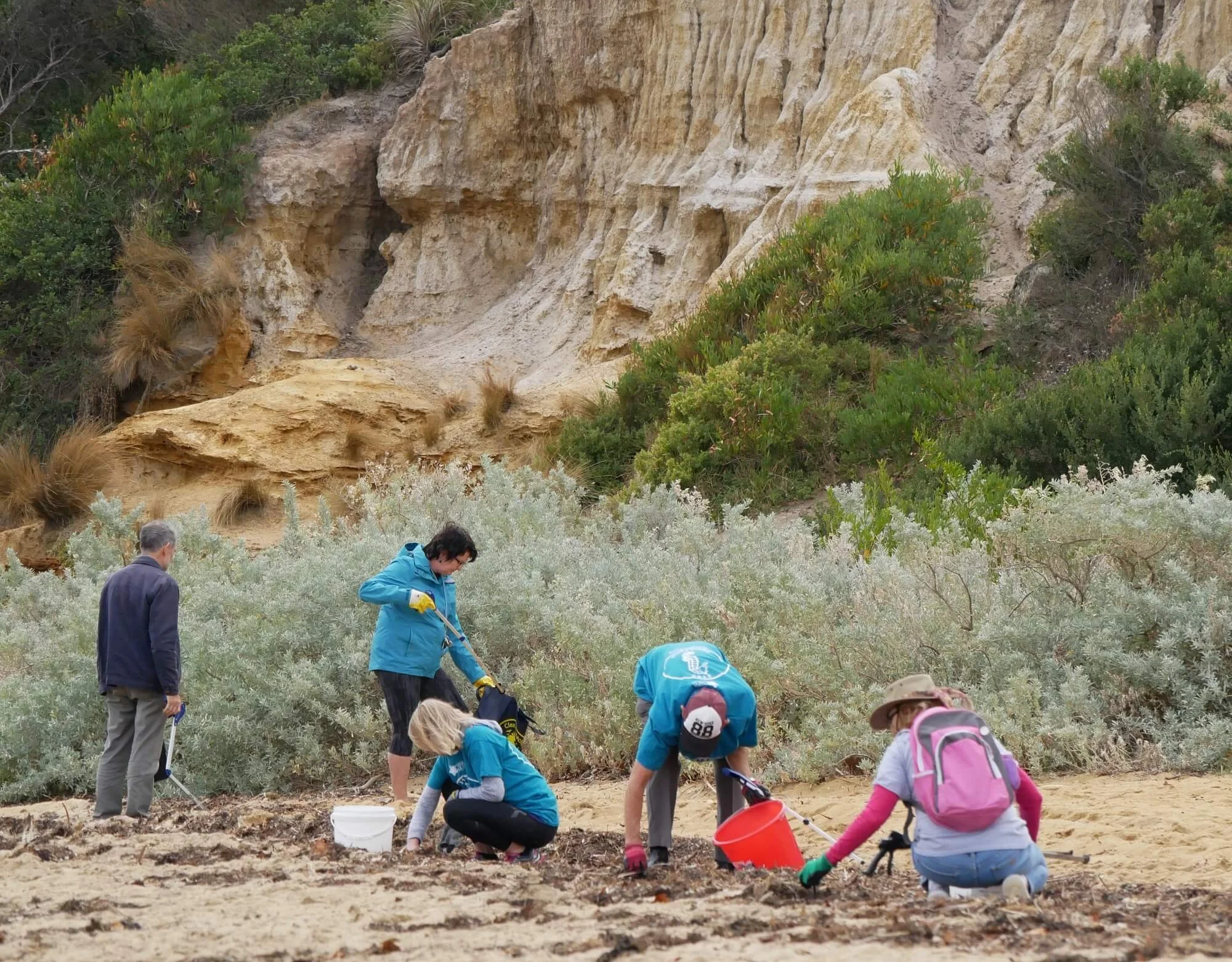
of plastic pollution clean ups across over 290 BeachPatrol Ricketts Point meet ups.
As of November 2026.
100+ sessions
of snorkelling hosted to educate and foster environmental connection with Ricketts Point’s marine life.
WHAT WE ARE PROTECTING Ricketts Point Marine Sanctuary
History
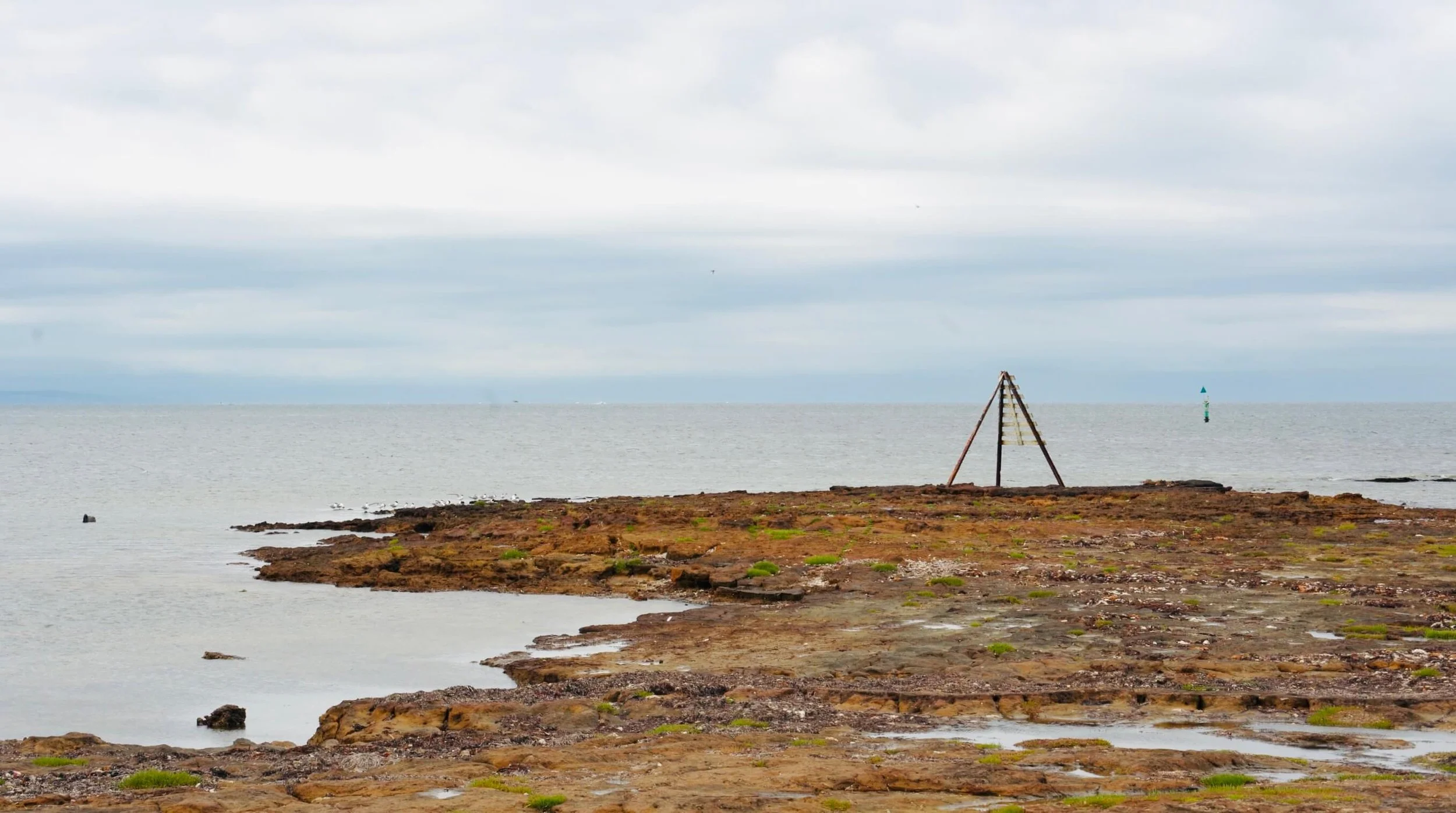
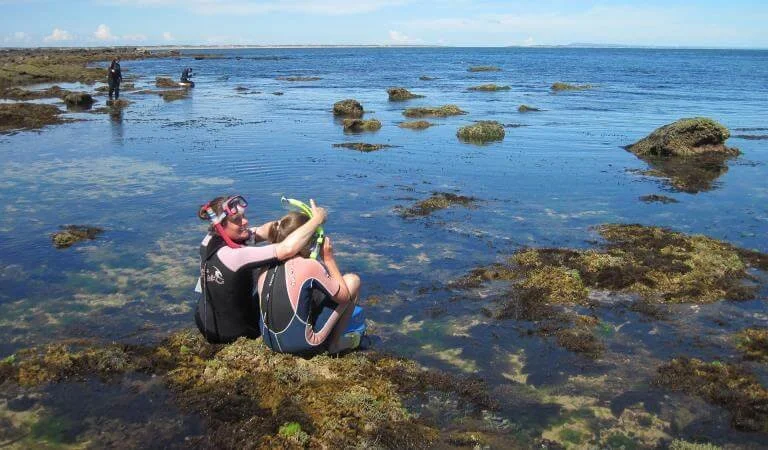
Ricketts Point Marine Sanctuary (RPMS) is located in Port Phillip Bay 20km south east of the Melbourne CBD.
The traditional owners, the Bunurong people have a long history of caring for the reef, as they camped around the area for at least 6000 years. Their numbers were drastically reduced following European settlement. However, First Nations people continue to provide guidance for the protection of Ricketts Marine Sanctuary.
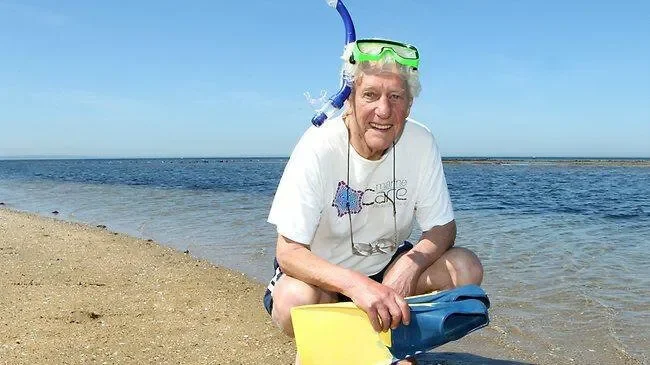
The late Bob Whiteway OAM, a geography teacher at Beaumaris Secondary College fought for 16 years to have Ricketts Point declared as a marine sanctuary.
In November 2002 he succeeded in his perseverance, and the Victorian State Government legislates for its protection. A year later in 2003, he formed Marine Care Ricketts Point to act as a conservation watchdog for the Sanctuary undertaking a variety of monitoring activities.
Geology and Life Forms
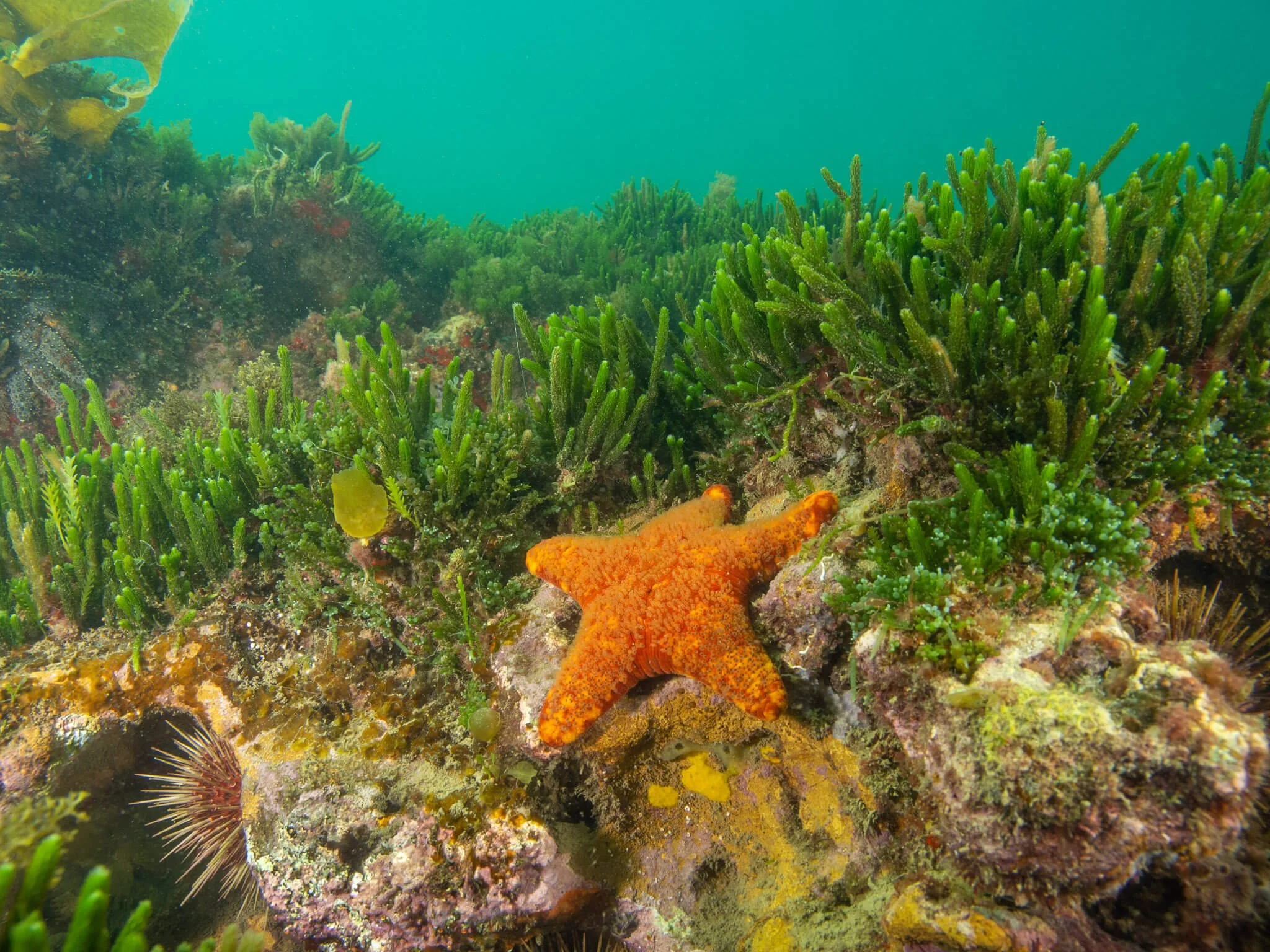
Underwater flora and fauna are diverse as they exist in and around the sandstone rock platform, which is characterised by intertidal platforms, subtidal reef, soft substrate, sand and seagrass habitats. There are also secluded caverns and under-rock ledges hosting colourful sponge gardens.
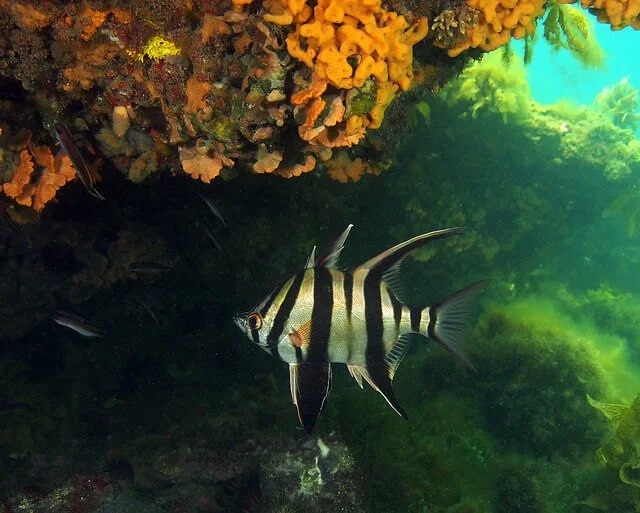
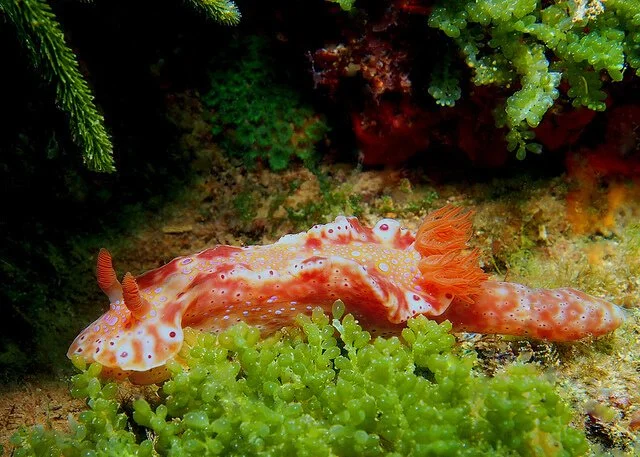
51 species of fish have been identified in the Sanctuary, the most common include: southern hulafish; zebra fish; dusky morwongs; moonlighters and Australian sweep. The Sanctuary is also home to smaller and less mobile animals including abalone, winkles, sea urchins, brittle stars, sea stars and crabs. Crucial to this rich marine eco-system are the algae, seaweeds and seagrass meadows which provide a beautiful palette of verdant green, red and brown. The majority of the area is shallow water of less than five metres, providing an easily accessible recreational area for snorkelling and diving.
MCRP Committee
Committee members
President Alison Horton
Vice President Greg Mier
Treasurer Peter Dibbs
Membership Officer Karen Fitzgerald
Other Committee members
Ian O’Loughlin
Andrea Barber
Sue Neale
Curious about getting involved?
Get in touch to express your interest in volunteering with us, or visit our Join Us page to see what committee roles we are recruiting for.
Committee records
Ricketts Point Marine Sanctuary Management Plan 2005
2025 AGM Annual Report
2024 AGM Annual Report

MCRP MEMBERSHIP
Support us by becoming a member!
Support the work of this volunteer-run organisation by becoming a member and join member-only activities.