
To help you enjoy snorkelling in the Ricketts Point Marine Sanctuary, on your own or with MCRP’s snorkelling group, we provide the following information.
Disclaimer: The information provided here is of a general nature and anyone snorkelling in the Ricketts Point Marine Sanctuary does so entirely at their own risk. Marine Care Ricketts Point Inc disclaims liability for any loss or damage (direct or indirect) sustained as a result of anyone relying on this information.
Snorkelling in the Sanctuary
You can snorkel at various locations in the Sanctuary. Most of the area is shallow water of less than five metres, making it an easily accessible recreational area for snorkelling.
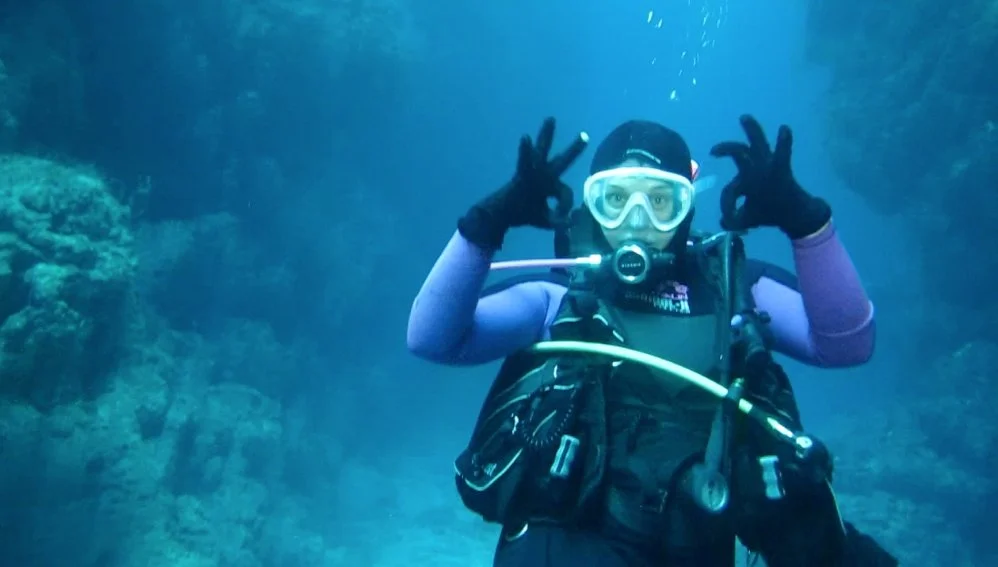
It is a wondrous world underwater. Fifty-one species of fish have been identified, the most common being rays, southern hulafish, zebra fish, dusky morwongs, moonlighters and Australian sweep. The Sanctuary is also home to smaller and less mobile animals, including abalone, winkles, sea urchins, brittle stars, sea stars and crabs. Essential to this rich marine ecosystem are the algae, seaweeds and seagrass meadows, which provide a beautiful palette of verdant green, red and brown. Colourful sponge gardens grow on the reefs.v
Snorkel with Marine Care Ricketts Point
Marine Care Ricketts Point runs snorkels at 9am on Saturday mornings from late November to March, weather conditions permitting. We snorkel at various locations.
The snorkels are to advance members’ knowledge of marine life and its environment, and to deepen their appreciation of the role and value of the Sanctuary. If you take part in our program, you will get to see and learn about the life that inhabits the Sanctuary. Our snorkel guides tell you what interesting species are about and point them out during snorkels. We have identification charts available for reference.
Before you go: checking condition
Wind, tide and time of day
Conditions are generally better early in the day and when the wind is blowing offshore, that is, from the north or the east. Water access is also easier when the tide is higher.
WillyWeather: Check weather, wind and tide details for Beaumaris
To see whether conditions are likely to suit, in real time, before you leave home: view the live webcam of the area in front of the Beaumaris Yacht Club
Water temperature
Water temperatures vary from about 16°C in November/December to about 22°C in February/March, and drop below 11°C in mid-winter.
Water quality after rain
Environment Protection Authority Victoria (EPA) generally recommends against swimming within 48 hours of heavy rain. It provides information about water quality and whether it is safe to swim, particularly after rain.
EPA interactive map: Check the water quality
What will I see?
Our Fish Identification Chart (PDF) shows some of the species you may encounter on a snorkel in the Sanctuary.
The Urban Sanctuary is an informative publication on the seaweeds and invertebrates (shellfish, crabs and so on) that live in the Sanctuary.
Where can I snorkel?
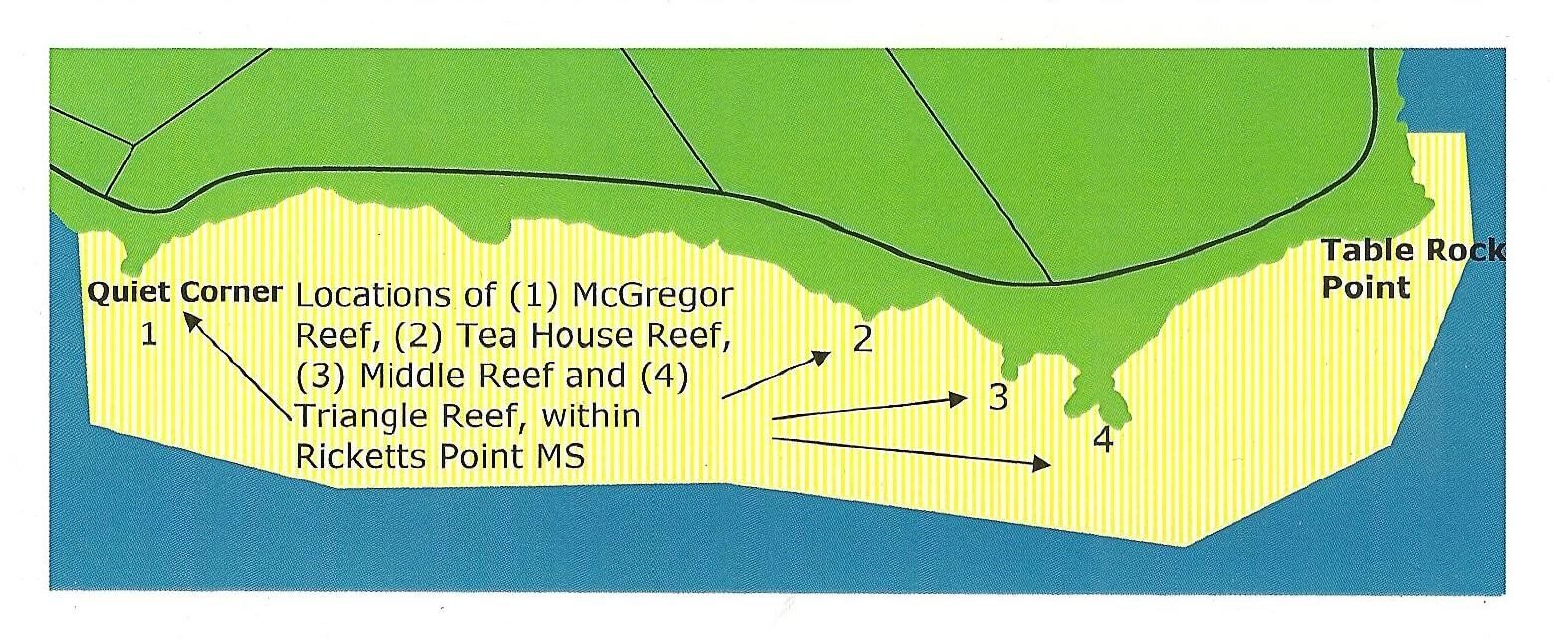
Snorkelling points along Black Rock and Beaumaris, Victoria.
1. McGregor Rock, Quiet Corner
Melway Map 85 K6 · No public toilets
Park in Central Avenue, Black Rock, cross Beach Road and go down the wooden steps to the beach. Parking is not available on Beach Road until after 10am on weekends; before then, it is a Clearway for cyclists.
The sign on the bluestone wall near the foot of the steps shows a recommended snorkelling trail.
2. Teahouse Reef / Beaumaris Yacht Club
Melway Map 86 B8 · Paid parking · Public toilets · Wheelchair access
Parking (fee payable) is available in the car park beside the Yacht Club. Wheelchair access is available via the access ramp, and a shower and toilet for snorkellers with disability are also available.
Suggested sites in this area:
The Lagoon is the area between the shore and the two fixed markers out from the Yacht Club. You can stand up in much of it, so it’s an ideal spot for new snorkellers.
The North Valley is about 50 metres north of the two fixed markers. It’s a sandy area bordered by reef on all sides.
Tea House Reef is the inter-tidal reef immediately south of the wooden access ramp. Its seaward side provides a range of habitats in approximately 2 metres of water.
The shallow reef between the markers runs from the two fixed markers out from the Yacht Club to the green marker further north. You can snorkel along one side of the reef and return along the other.
3. Middle Reef / North Arm Reef
Melway Map 86 C9 · Paid parking · Public toilets
On the north side of Watkins Bay (sometimes called Seaweed Beach). It’s better to enter on the north side of the Point or Arm, as entering from Watkins Bay means a longer, shallow swim to reach the reef area around the North Arm.
4. Triangle / South Triangle Marker Reef, Ricketts Point
Melway Map 86 C9 · Paid parking · Public toilets
Just north of Beaumaris Life Saving Club, with parking (fee payable) in the car park. Enter the water in front of the Life Saving Club and swim around until you are in front of the white triangle marker. The “drop off” is well worth exploring.
Melway Map 86 E10 · Public toilets
Park in Rennison Street, cross Beach Road and go down the steps to the north of Table Rock. Enter the water near the base of the steps and snorkel around Table Rock, finishing at the Sea Scouts jetty. From there, you can either snorkel or walk back to the starting point.
Tips for a safe snorkel
Make sure your mask, snorkel, fins and wetsuit fit properly
Seek advice from experienced snorkellers or a reputable dive shop if you need it, and practise in a pool or in the shallows until you’re confident
Know your limitations and snorkel within them. Snorkelling with a buddy is recommended
Enter the water over sand, not rocks or seagrass. Shuffle your feet to avoid stepping on stingrays or other marine life
Don’t rush; take time to “smell the roses”
Look but don’t touch. Some marine life is poisonous
Avoid damaging marine life with your fins
Look out for boats, and tow a dive flag if necessary
Remember: this is a Marine Sanctuary and removing anything is strictly prohibited.
Further reading
Snorkelling Bayside: An Introduction to Snorkelling in the Ricketts Point Marine Sanctuary and Nearby Waters by Raymond V Lewis OAM (2015)
This book was written primarily to help members of Marine Care Ricketts Point Inc with their snorkelling. It’s based on general advice and the experience of many local divers.
Download a digital copy (PDF), or obtain a copy by emailing ray@lewisfamily.com.au.